


 Send Inquiry
PIC16F883-I/SP - Microchip Technology
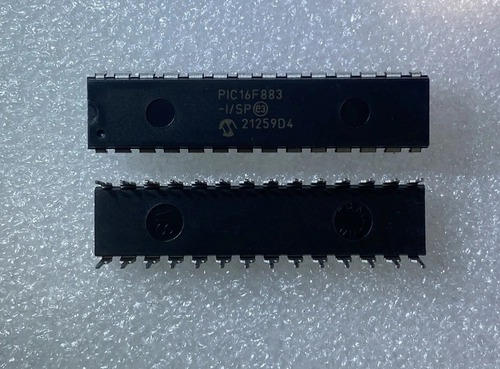
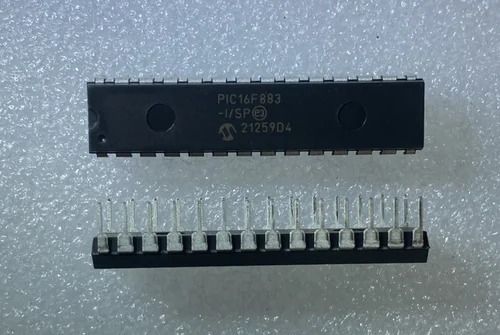

PIC16F883-I/SP - Microchip Technology Specification
- Components
- Integrated IC
- Power Source
- External DC supply
- Interface
- USART, SPI, I2C
- Power Supply
- DC
- Usage
- General purpose MCU applications
- Resolution
- 10-bit ADC
- Features
- EEPROM, Watchdog Timer, In-Circuit Serial Programming
- IP Rating
- Not rated
- Output
- Digital/Analog outputs
- Processor Speed
- Up to 5 MIPS
- Sensors Specification
- Supports connection to standard sensors
- Operating Temperature
- -40°C to +85°C
- Input
- Digital/Analog inputs
- Response Time
- Instantaneous (MCU specific)
- Display Type
- No display
- Product Type
- Microcontroller
- Application
- Embedded system solutions
- Rated Voltage
- 5V
- Supply Voltage
- 2.0V to 5.5V
- Size
- 18-pin DIP
- Dimension (L*W*H)
- 22.86mm x 6.35mm x 3.3mm
- Function
- 8-bit CMOS Microcontroller
- Color
- Black
- Weight
- Approx. 1g
- Current Rating
- Max 2mA per pin
- Capacity
- 8K Flash program memory
- Thickness
- Standard DIP package
- Frequency
- 20 MHz (max oscillator frequency)
- EEPROM
- 256 Bytes
- Technology
- CMOS
- Programming Voltage
- Recommended 5V
- Data Bus Width
- 8-bit
- Oscillator Type
- Internal and External
- Package Type
- DIP-28
- Instruction Set
- 35 Instructions
- Pin Count
- 28 pins
- RAM Size
- 368 Bytes
- Flash Memory
- 8KB
- Timers
- 3 x 8-bit timers
- ADC Channels
- 11 channels
PIC16F883-I/SP - Microchip Technology Trade Information
- Minimum Order Quantity
- 100 Pieces
- Payment Terms
- Cash in Advance (CID)
- Sample Policy
- Free samples are available
- Main Domestic Market
- All India
About PIC16F883-I/SP - Microchip Technology
PIC16F883-I/SP - Microchip TechnologySpecification/Additional Details
- Model Name/Number PIC16F883
- Brand MICROCHIP
- Mounting Type DIP
- RAM Size256
- ADC Resolution11
- Part Number PIC16F883
Versatile Memory and Peripheral Integration
With 8KB of Flash for code storage, 368 bytes of RAM, and 256 bytes of EEPROM, this microcontroller covers a wide range of data and program storage needs. Coupled with 11 ADC channels and support for USART, SPI, and I2C communication, it enables flexible integration with analog and digital components, perfect for custom hardware designs.
Reliable Performance and User-Friendly Package
Operating reliably across a wide voltage (2.0V to 5.5V) and temperature range, the PIC16F883-I/SP comes in a standard 28-pin DIP for easy handling and prototyping. The internal and external oscillator compatibility provides options for clock sources, while built-in features such as a watchdog timer and In-Circuit Serial Programming enhance development efficiency and application stability.
FAQs of PIC16F883-I/SP - Microchip Technology:
Q: How is the PIC16F883-I/SP programmed and what programming voltage does it require?
A: The microcontroller supports In-Circuit Serial Programming (ICSP), making it possible to program or reprogram the device while installed in a circuit. The recommended programming voltage is 5V DC.Q: What types of analog and digital inputs and outputs can this microcontroller handle?
A: It supports both digital and analog inputs and outputs, with 11 independent 10-bit ADC channels for analog measurements, and digital I/O pins configurable as inputs or outputs for various applications.Q: When should I consider using the PIC16F883-I/SP in my embedded project?
A: This model is suitable whenever your project requires moderate code size, reliable EEPROM storage, multiple serial interfaces, and broad analog support, particularly in applications like sensor interfacing, small-scale automation, and prototyping.Q: Where is the PIC16F883-I/SP most commonly applied?
A: It is widely used in embedded system solutions such as home automation, industrial controls, sensor monitoring platforms, and educational electronics due to its versatility and robust feature set.Q: What is the benefit of having both internal and external oscillator options?
A: Having both options allows designers flexibility in selecting clock sources; use the internal oscillator for cost savings and compact designs, or opt for an external crystal for enhanced timing accuracy and stability.Q: How much current can each I/O pin handle and what is the processor speed?
A: Each I/O pin can source or sink a maximum of 2mA, and the microcontroller can operate at processor speeds up to 5 MIPS with a maximum oscillator frequency of 20 MHz.Q: What interfaces are available for communication with peripherals?
A: The device supports multiple communication protocols, including USART for serial communication, SPI for high-speed synchronous data transfer, and I2C for multi-device networking, enabling easy connection to various sensors and modules.Price 200 INR/ Piece
- Minimum Order Quantity
- 100 Pieces
- Main Domestic Market
- All India
 Get Latest Price
Tell us about your requirement

Price:
Quantity
Select Unit
- 50
- 100
- 200
- 250
- 500
- 1000+
Additional detail
Mobile number
Email

More Products in Integrated Circuit Category
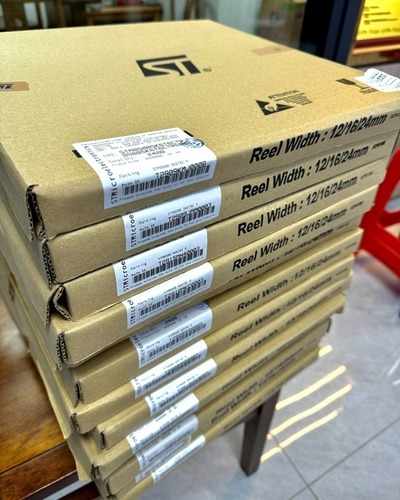
STM8S005K6T6CTR - STMicroelectronics
Price 85 INR / Piece
Minimum Order Quantity : 2500 Pieces
Application : Automotive, Consumer, IoT, Instrumentation, Industrial
Product Type : Microcontroller IC
Power Supply : External DC supply
Output : Digital (GPIO pins, PWM)
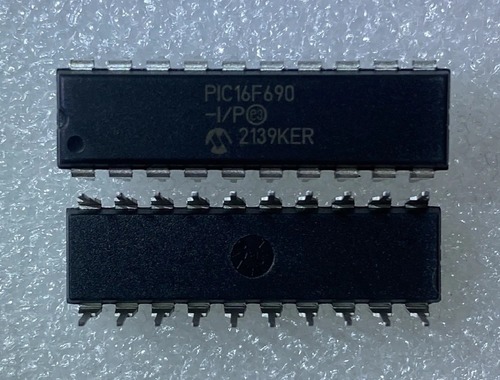
PIC16F690-I/P - Microchip Technology
Price 200 INR / Piece
Minimum Order Quantity : 100 Pieces
Application : Embedded Systems, Automation, IoT
Product Type : Microchip Technology
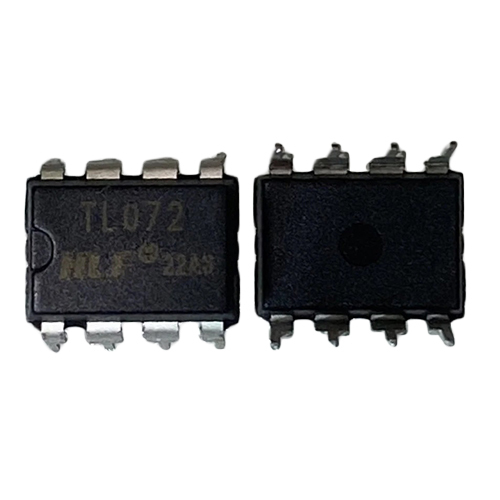
TL072 DIP integrated Circuit
Minimum Order Quantity : 100 Pieces
Application : Commercial
Product Type : IC
Power Supply : No
Output : Normal
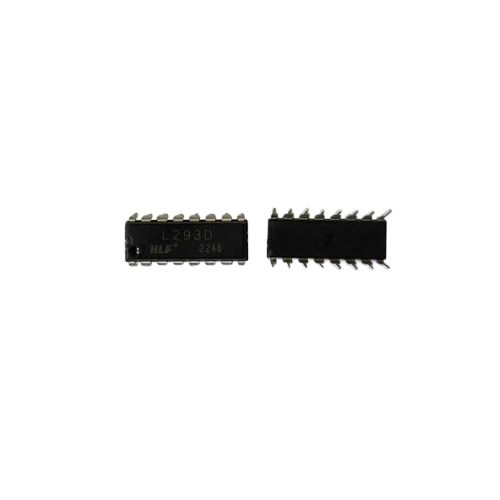
L293D HLF Integrated Circuit
Minimum Order Quantity : 100 Pieces
Application : Commercial
Product Type : IC
Power Supply : No
Output : Normal

Diode House
All Rights Reserved.(Terms of Use)
Developed and Managed by Infocom Network Private Limited.
Developed and Managed by Infocom Network Private Limited.

